Table of contents
Understanding how successful criminal defense strategies operate in court is fundamental for anyone interested in the justice system. The intricacies behind these strategies often determine the outcome of a trial and can make the difference between conviction and acquittal. Dive into the sections below to uncover the essential techniques and reasoning that shape effective criminal defense in the courtroom.
Building a solid defense foundation
Building a solid defense foundation in criminal defense begins with an in-depth pre-trial investigation, guided by skilled legal counsel. The discovery process plays a pivotal role, as it enables both the defense and prosecution to exchange and review relevant information. Gathering evidence is not limited to physical or documentary material; it extends to digital records, surveillance footage, and forensic data, all of which must be collected meticulously. Proper due diligence ensures that every available piece of information is scrutinized for inconsistencies, gaps, or overlooked details that may benefit the accused. Interviewing witnesses forms another core component, as firsthand accounts often uncover new leads or perspectives. Carefully prepared witness statements can help shape the trajectory of a case by highlighting weaknesses in the prosecution's claims or establishing robust alibis. A seasoned criminal attorney systematically compiles and analyzes this body of evidence, always with an eye toward crafting a compelling narrative for court. The sum of these steps—comprehensive investigation, methodical gathering of evidence, and relentless due diligence—lays the groundwork for an effective initial defense approach, increasing the chances of a favorable outcome for the client.
Challenging prosecution’s evidence
Effective defense strategy in a criminal trial hinges on the careful scrutiny of the prosecution’s evidence. Attorneys leverage cross-examination to expose inconsistencies in witness testimonies, probe for unreliable recollections, and reveal potential biases. In addition, lawyers often file a motion to suppress, targeting evidence obtained in violation of legal rights or when the chain of custody has been compromised. This critical approach ensures that only properly handled and admissible evidence reaches the jury. By dissecting the opposition’s arguments, capitalizing on procedural missteps, and emphasizing any gaps in the prosecution’s narrative, the defense can create reasonable doubt. These tactics, when executed by seasoned courtroom litigators, uphold the defendant’s legal rights and can shift the trial’s momentum in favor of the defense.
Crafting persuasive legal arguments
Forming compelling legal arguments requires a criminal defense lawyer to master the delicate balance between case theory, legal precedent, and statutory interpretation. An effective case theory is designed to resonate with both judge and jury, weaving together facts and legal principles into a coherent narrative. By referencing legal precedent, the defense demonstrates how previous decisions support the current position, bolstering credibility and persuasiveness. Statutory interpretation allows the lawyer to clarify ambiguities in the law, ensuring the judge understands the nuances that favor the defense. Logical reasoning underpins every aspect of argumentation, enabling the lawyer to deconstruct the prosecution's claims, exposing weaknesses and inconsistencies, and ultimately challenging the burden of proof required to convict the accused.
In criminal trials, successful defense strategies are crafted with meticulous attention to detail. The criminal defense lawyer must tailor arguments that align with both the facts of the case and the expectations of the courtroom audience, often drawing on extensive research and experience. By grounding every point in relevant legal precedent and statutory interpretation, the defense can systematically dismantle the prosecution's assertions and present a persuasive alternative interpretation of events. The expertise and strategic acumen of firms like Theaustralianlegalpractice.com.au illustrate how advanced legal arguments and robust case theories can shape trial outcomes and protect the rights of the accused within the justice system.
Utilizing expert witnesses effectively
In the context of criminal defense, the skilled deployment of an expert witness can often be a game-changer when navigating intricate legal proceedings. Criminal defense attorneys frequently engage individuals with specialized knowledge to clarify complex scientific or technical details for the judge and jury, who may lack familiarity with such subjects. Forensic evidence, whether it concerns DNA, digital data, ballistics, or toxicology, is often at the heart of these cases. An expert witness is tasked with breaking down this information, offering comprehensive evidence analysis that addresses any ambiguities presented by the prosecution. Their role extends to critiquing the methodologies used in collecting and interpreting forensic evidence, potentially exposing procedural flaws or alternative explanations that support the defense's theory of the case.
Forensic testimony provided by these professionals is not limited to merely interpreting raw data; it also encompasses the ability to communicate complex findings in a clear and persuasive manner during trial testimony. A criminal defense attorney must work closely with the expert witness to ensure their explanations are not only scientifically sound but also strategically aligned with the overarching defense narrative. Utilizing expert witnesses in this way empowers the defense to challenge the prosecution's assertions, instill reasonable doubt, and ultimately influence the outcome in favor of the accused. Their contribution is often pivotal in translating technical jargon into accessible insights that resonate with decision-makers in the courtroom.
Mastering courtroom presentation skills
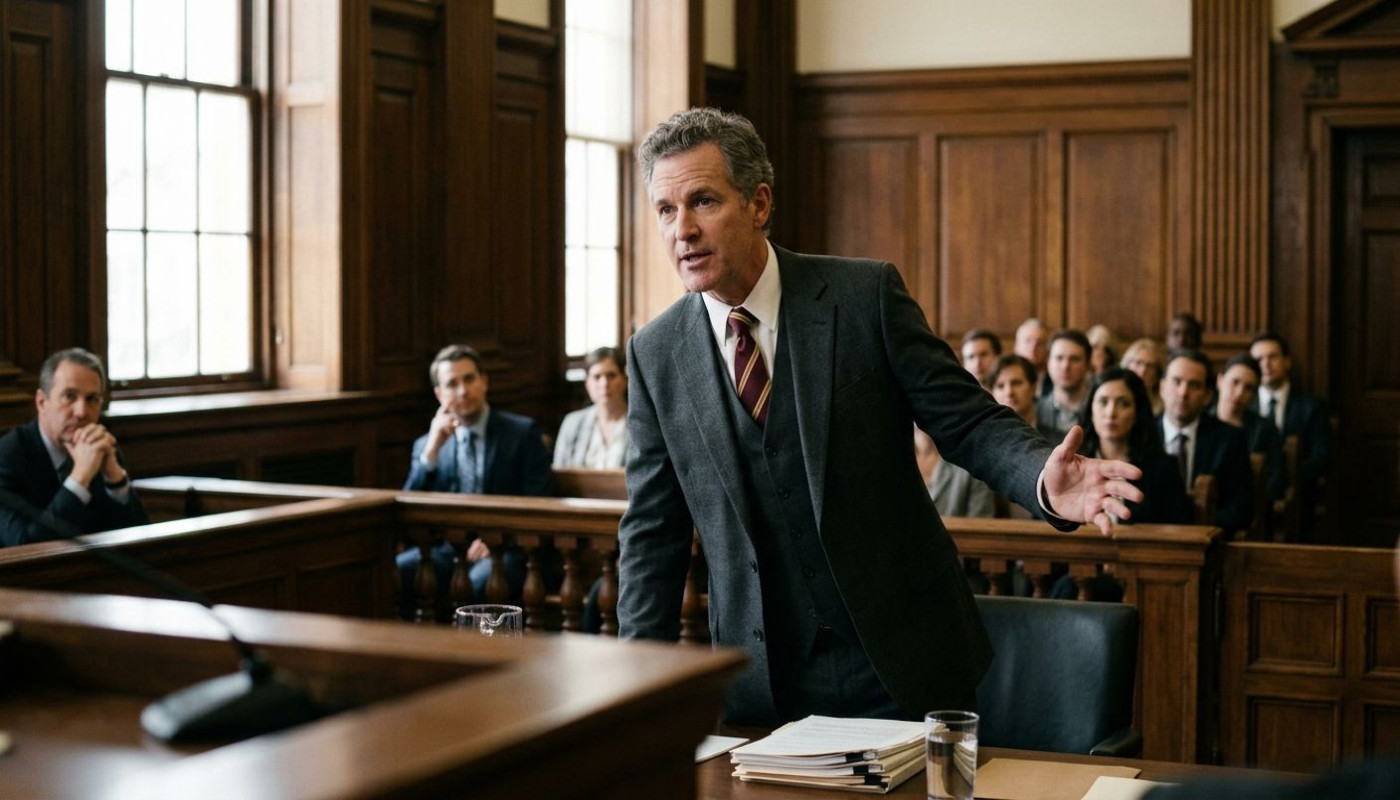
Clear communication forms the foundation of an effective courtroom presentation during a criminal defense trial. The ability to articulate arguments, evidence, and complex legal concepts in a concise and accessible manner helps jurors understand the defense’s narrative. During voir dire, defense counsel assesses jury perception and tailors communication skills to address potential biases or misunderstandings. Body language also plays a pivotal role; confident posture, measured gestures, and appropriate eye contact can subtly reinforce credibility and foster trust between the advocate and the jury. Persuasive storytelling transforms facts into a compelling account that resonates emotionally, encouraging jurors to empathize with the defendant’s perspective and question the prosecution’s narrative.
In criminal defense trials, mastery of these elements can decisively affect the outcome. Skilled attorneys weave together logical reasoning with evocative details, ensuring every statement and gesture supports the overarching defense strategy. Effective courtroom presentation not only conveys information but also shapes the attitudes and beliefs of jurors throughout the proceedings. By merging powerful communication skills, intentional body language, and persuasive storytelling, defense advocates increase the likelihood of favorable jury perception, ultimately impacting verdicts and the client’s future.
Similar articles